
Understanding POCSO Law - Protection of Children from Sexual Offences.
Category: POCSO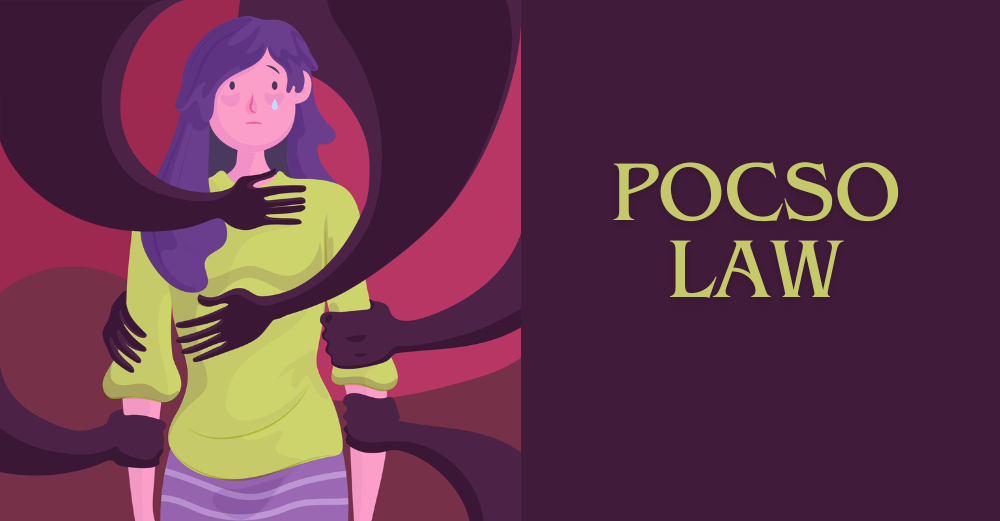
「 ✦ Content ✦ 」
In India, the Protection of Children from Sexual Offences Act, 2012 (POCSO) is a crucial law that safeguards children from any form of sexual abuse. The law was enacted to ensure that children, who are vulnerable to exploitation and abuse, are protected by strict legal provisions. It defines sexual offenses against children and provides a comprehensive legal framework for the punishment of the offenders. POCSO is significant in the fight against child sexual abuse and plays a key role in ensuring that children have access to justice.
Key Features of the POCSO Act
The POCSO Act covers a wide range of sexual offenses against children. Here are some of its key features:
Definition of a Child
Under POCSO, a child is defined as anyone below the age of 18 years. This broad definition ensures that every minor is covered under the law, whether the individual is a male or a female.Categories of Sexual Offences
The law recognizes several categories of sexual offenses, including:
Penetrative Sexual Assault: Physical penetration of a child's body.
Non-Penetrative Sexual Assault: Any sexual act without penetration.
Sexual Harassment: Any act with sexual intent or inappropriate behavior.
Use of a Child for Pornographic Purposes: Involvement of children in pornography.
Aggravated Offences
The Act also covers aggravated offenses where the perpetrator is in a position of authority over the child, such as a teacher, family member, or caretaker. These offenses are treated more seriously.
Child-Friendly Procedures
POCSO mandates that children must not face further trauma during legal proceedings. The law allows for child-sensitive processes, such as using video conferencing for testimony, recording statements in a child-friendly environment, and appointing special courts for such cases.
Important Provisions Under POCSO
Child Sexual Abuse (CSA) Reporting
The Act emphasizes the importance of reporting sexual offenses against children. It obligates various professionals (such as doctors, teachers, and social workers) to report suspected abuse to the authorities. Failing to do so can result in penalties.Investigation and Trial
The investigation and trial process under POCSO is designed to minimize the trauma faced by children. The law mandates the investigation must be completed within two months, and the trial should be conducted in a fast-track court to ensure swift justice.Protection of Child Witnesses
In cases involving children as witnesses, the law ensures that their dignity and privacy are protected throughout the process. It also provides for an intermediary, such as a social worker, to assist the child during the trial.
Punishments for Offenders
The POCSO Act prescribes stringent punishments for offenders. These vary depending on the nature of the offense but can include imprisonment for a minimum period of 3 years, with the possibility of extending up to life imprisonment or even the death penalty in extreme cases of aggravated sexual assault or abuse.
POCSO and POSH Law - A Comparison
While the POCSO Act focuses on the protection of children, the Prevention of Sexual Harassment at the Workplace (POSH) Act is aimed at preventing sexual harassment of women in the workplace. Both these laws are significant for promoting a safer environment for vulnerable groups. However, POSH focuses on adult women at workplaces, whereas POCSO is specifically concerned with the protection of children from sexual abuse in all environments, including homes, schools, and public places.
The Role of Parents and Educators in Prevention
Parents and educators play a vital role in preventing child sexual abuse. They should educate children about good touch and bad touch, ensuring that children can recognize inappropriate behavior. Awareness campaigns, regular discussions, and open communication are essential in empowering children to report abuse without fear.
Teaching Children About Boundaries
It is important to teach children about their rights over their bodies. They should feel empowered to say no if someone crosses their boundaries.Encouraging Reporting
Parents and teachers should create a safe environment where children feel comfortable sharing their experiences and reporting any inappropriate behavior.
How POCSO Affects Businesses and Organizations
Businesses and organizations, particularly those dealing with children, such as schools, daycare centers, or entertainment companies, must comply with the provisions of POCSO. Failure to ensure the safety and well-being of children could result in severe legal consequences.
Setting Up Safety Protocols
Organizations should set up proper protocols to ensure the safety of children in their care. This includes background checks for staff, awareness programs, and mechanisms for reporting abuse.Legal Responsibilities
In addition to following POCSO guidelines, organizations need to train their staff on the importance of reporting child abuse. This will not only protect children but also ensure the organization remains compliant with the law.
Challenges in the Implementation of POCSO
Although the POCSO Act is comprehensive, there are challenges in its implementation. These include:
Awareness and Education
Despite the law's existence, there is still a lack of awareness, especially in rural areas. Educating communities and children about the POCSO Act and its provisions is crucial.Victim Blaming and Social Stigma
In many cases, victims face social stigma, which discourages them from reporting abuse. Overcoming these societal attitudes is key to effective implementation.Delays in Trials
While POCSO aims for swift justice, delays in the judicial system can undermine the law's effectiveness. More specialized courts and judges trained in handling POCSO cases are needed to expedite trials.
POCSO and the Path Forward
The Protection of Children from Sexual Offences Act is a significant step in the direction of child protection. It provides clear guidelines for identifying and prosecuting offenders, ensuring that children can grow up in safe environments free from abuse. However, the success of the law depends on the collective efforts of the government, law enforcement, communities, and individuals.
POCSO is a vital law designed to protect children from sexual abuse in India. It includes various provisions for preventing, reporting, investigating, and prosecuting offenses. While the law has made significant strides in protecting children, the need for awareness, education, and efficient implementation remains essential. Along with POSH law, POCSO is a vital tool in the broader framework of protecting vulnerable populations.


