
PSYCHOLOGICAL IMPACT OF CYBERBULLYING ON DIFFERENT AGE GROUPS: TAILORED INTERVENTIONS AND PREVENTATIVE STRATEGIES
Category: Cyber Crime Law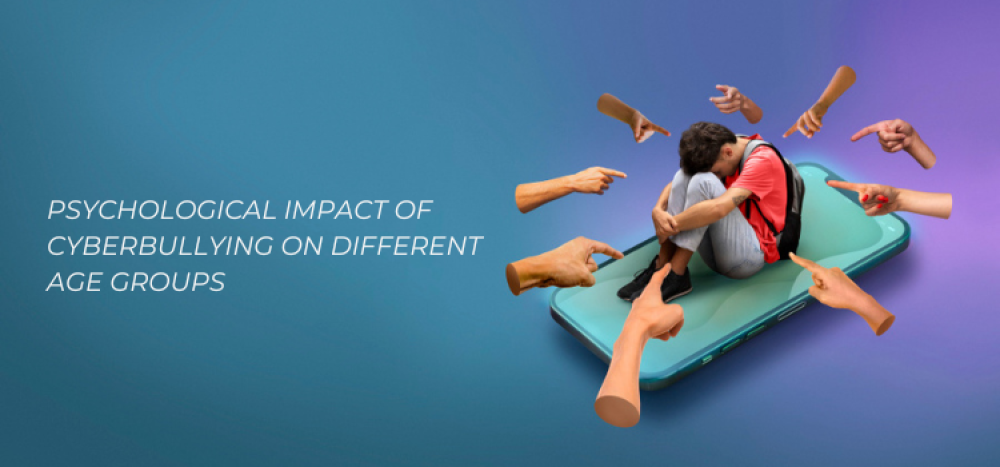
「 ✦ Content ✦ 」
Abstract:
Like other related concerns, cyberbullying is a challenging concern that affects children, adolescents, and adults by causing psychological effects. The common issues affecting children are anxiety, depression, and academic problems while for adolescents, they are at high risk of developing poor self-esteem, suicidal thoughts, and social isolation. Adults are also occasionally targeted but can also suffer from extreme types of anxiety, which can affect work performance and relationships.
The work emphasizes the need to deal with these factors through patient-specific approaches and prevention measures. For children, it’s essential to use educational programs that address digital media literacy as well as empathy. For teenagers, it is necessary to provide peer support and counseling services. It is also important for the adult group through provision of sound workplace policies and professional counseling services.
Measures that can be taken are through the care of their parents, school and laws put in place. There are technological interventions such as modern and intelligent monitoring systems that will assist in tracking incidences of cyberbullying and prevent them from happening. Using this approach, we achieve treatments that are adequately appropriate for the age and context needed to support positive health, for all patients.
Keywords: Cyberbullying, Children, Digital, Preventive, Psychological, Bhartiya Nyaya Sanhita, Information Technology Act, Isolation
Introduction- A Brief Background:
Cyberbullying is a form of bullying that involves the use of technology to threaten, torment, or embarrass other people in the society. It transcends physical barriers and is so widespread in influencing people of different age groups. The effects of cyber bullying can be understood on eve of serious psychological problems that develop into grave issues of mental health, which have remained for the long term.
The effects of cyberbullying on the individuals and the way they react are different for children, adolescents, and adults, thus, it is crucial to gain a deeper understanding of these effects to create proper interventions and prevent the occurrence of such behavior. While in children, the adverse effects include high stress, anxiety, depression, and problems with schoolwork, adolescents may experience low self-esteem, stress, and thoughts of suicide. Most adults are likely to express considerable emotional strain, which impacts their work and relationships.
In these cases, specific preventive measures need to be established, including increasing awareness and knowledge about the risks in digital space, making schools and educational institutions more inclusive, developing proper support networks among students and colleagues, and offering professional help and counselling. It is crucial to implement a systemic and developmental strategy to lessen the frequency of online bullying and improve the level of digital security.
Understanding Cyberbullying across different age groups:
The purpose of this article as to recognize the psychological effects of cyberbullying is significant in the designing of useful intercessions and preventive measures. For children, adolescents and adults, different strategies, methods, weighty coverage and polices are among the elements of a powerful model.
Psychological Impact Of Cyberbullying In Children :
Anxiety and Depression: Such a level of stress and fear of being attacked can lead to difficulties in sleeping or eating and mood swings.
Academic Performance: These negative experiences can make a student become reluctant to attend school, have a decreased ability to concentrate, and a decline in grades.
Social Withdrawal: They may avoid other social related functions in that they do not want to be harassed anymore and this affects social skills and self-esteem.
The Psychological Impacts Of Cyberbullying In Adolescents:
Cyberbullying has a severe psychological effect on individuals that are targeted, eradicating their health, emotions, and interactions with others. Thus, it is vital to address these issues in childhood and provide the necessary help to the child so as not to have a severe impact throughout the years. It is important to understand that eradicating cyberbullying is not a single entity, but rather it encompasses reports, counselling or therapy, academic material, and legal rights.
Below are the psychological impacts of cyberbullying:
Anxiety and Depression, Emotional Distress:
Consequences of cyberbullying include possibility of increased levels of anxiety or depression among individuals. Common signs are obsessiveness, anxiety attacks, and short attention span. The common symptoms of depression include feeling sad most of the time, showing little or no interest in things previously enjoyed, changes in sleeping pattern and appetite. Cyber bullying in particular has been discovered in a study in India to have a direct correlation with higher anxiety and depression status amongst the victims.
Low Self-Esteem and Self-Worth, Diminished Self-Confidence:
cyber bullying affects a person’s esteem and worth in the society accordingly.Some of the outcomes might include adopting negative messages towards the self and consequently a poor self-image might be developed.These lowered self-esteem levels can consequently impact on the course progress, interactions with other people, and psychological well-being.
Social isolation, withdrawal from social interactions:
In many cases, victims completely isolate themselves from social activities in attempts to avoid more abuse. Such a situation is detrimental to the individual’s mental health since it fosters feelings of loneliness and could worsen a patient’s depression and or anxiety. The targets of the Blue Whale Challenge were teenagers, which caused even more isolation following the attempts.
Indian Laws on Cyberbullying:
Bullying through the use of technology is unlawful in India, and measures to address this new form of criminality have been put in place in the form of the Information Technology Act, 2000 and the Indian Penal Code, 1860.
The Legal Framework Primarily Comprised Of Sections As Detailed Below:
INDIAN PENAL CODE, 1860
Section 354D deals with stalking – with or without the use of the Internet: imprisonment for three years and a fine for the first time. Otherwise, sections 499 and 500 are related to defamation and provide imprisonment of up to two years or a fine. Section 507 deals with criminal intimidation by mere communication in computation where the person using the obscene communication is not known to the victim they can be imprisoned up to two years together with the punishment provided for by section 506 of the IPC. Section 509 deals with a man who puts a woman in any words, gestures, or act that is of an indecent nature and it carries with it simple imprisonment that can last for up to one year or a fine.
Among the measures that need to be implemented to address this problem and make the Internet space safer, improved digital competence, effective reporting procedures, and sufficient resources for victims are urgent needs. It is important to acknowledge that the adoption of three new legislation has brought about a substantial update to India's legislative framework concerning cyberbullying.
The Bhartiya Nyaya Sanhita (BNS), which repealed the Indian Penal Code, has new sections for new-age crime such as cyberbullying. It gives a clear framework for capturing, storing, and presenting digital evidence unlike manual means that take a long time to pass a verdict. The reform demonstrates changes in India providing justice to the crime victims and the offenders being charged under the new laws combating cybercrime.
Conclusion:
Cyberbullying has various effects on the psychological well-being of the different age groups including stress, depression, and even suicidal thoughts. Overcoming this type of incentive requires the intervention of families, schools, workplaces, technology providers, and legal frameworks. That is why education and prevention programs to help address the issues need to be delivered based on the age of the adaptive audiences to encourage respect and safety in cyberspace.
References:
[1] https://kidshelpline.com.au/sites/default/files/OGAIBB_TEEN_THUMBNAIL.png
[2] Understanding Cyberbullying Helps Create Safer Schools - Sue Scheff Blog. https://www.suescheffblog.com/end-peer-cruelty-understanding-cyberbullying/
[3] The Online Epidemic Of Cyberbullying | Visual.ly. https://visual.ly/community/Infographics/lifestyle/online-epidemic-cyberbullying
[4] Substance Abuse Statistics by Age. https://www.leorabh.com/blog/substance-abuse-statistics-by-age
[5] How to Prevent Emotional Bullying in Middle School Students - Healthy Parenting Habits. https://healthyparentinghabits.com/how-to-prevent-emotional-bullying-in-middle-school-students/
OLQ is a Pan-India basis law firm connecting legal expertise nationwide
WRITTEN BY: ABHISHEK S CHAUHAN
GUIDED BY: ADVOCATE ANIK


