
Legal Battle Over Hijab Ban: Bombay High Court Case Sparks National Debate
Category: Legal News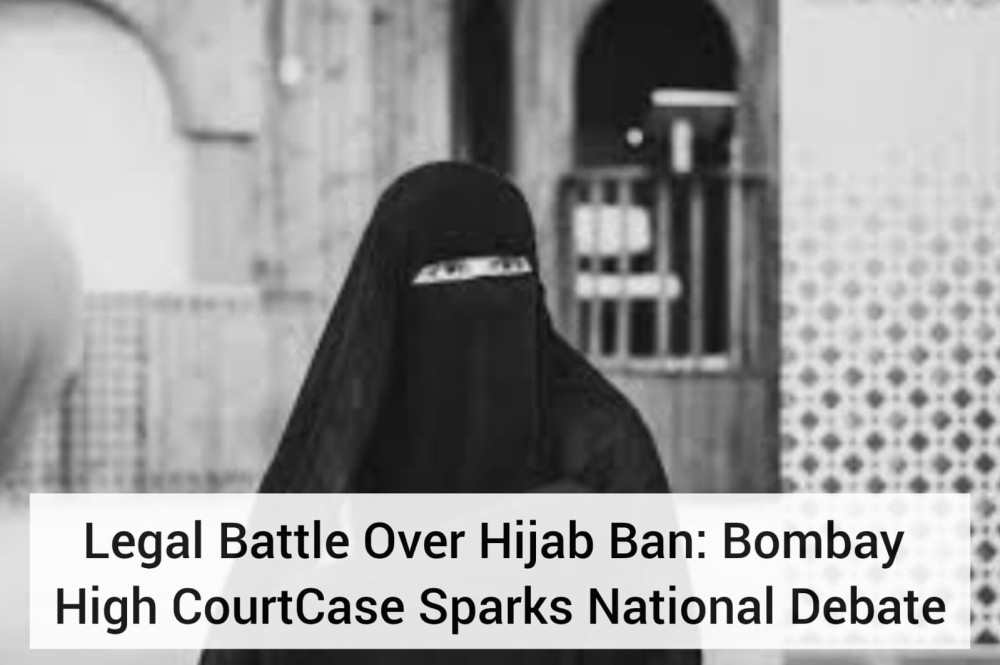
「 ✦ Content ✦ 」
The controversy emerged when the college administration issued a circular mandating that students must not wear hijabs, burqas, or naqabs within classroom premises. This directive sparked immediate protests from students, predominantly Muslim women, who argued that it infringed upon their right to freedom of religion and expression guaranteed under the Indian Constitution. The dispute has garnered significant media attention and public discourse, reflecting broader societal tensions over cultural practices and educational policies.
The petitioners, represented by legal experts, assert that the college’s directive violates their fundamental rights enshrined in Article 25 (freedom of religion) and Article 19 (freedom of speech and expression) of the Constitution. They argue that wearing religious attire is a personal choice and a manifestation of religious identity that should be protected within educational institutions. The petition emphasizes that the ban disproportionately affects Muslim students, thereby perpetuating discrimination and undermining the secular ethos of educational spaces. Conversely, the college administration contends that the directive is necessary to maintain discipline, uniformity, and the secular character of educational environments. They argue that the ban on religious attire is a neutral policy applicable to all students, regardless of their faith, and is essential for fostering a conducive learning atmosphere free from distractions and divisions based on religious symbols.
The case has generated a polarized public reaction, with supporters of the college’s directive advocating for secularism and uniformity in educational settings. Critics argue that the ban infringes upon religious freedoms and marginalizes Muslim students, exacerbating communal tensions. The outcome of the case is anticipated to influence national discourse on religious tolerance, diversity, and the autonomy of educational institutions in India. As proceedings unfold in the Bombay High Court, the case raises significant questions about the limits of institutional authority in regulating religious attire and practices. The court’s decision is poised to set a precedent for similar disputes across the country, impacting policies governing religious expression in educational institutions and reaffirming constitutional protections for religious minorities.
The Bombay High Court case challenging the ban on hijab, burqa, and naqab in classrooms represents a pivotal legal battle at the intersection of religious freedoms and educational governance in India. The outcome of this case will not only shape policies within the involved college but also influence broader debates on secularism, cultural diversity, and constitutional rights in educational institutions nationwide.


