
LAPSE OF SOLID WASTE RULE: SUPREME COURT SUMMONS DELHI CHIEF SECRETARY
Category: Environmental Law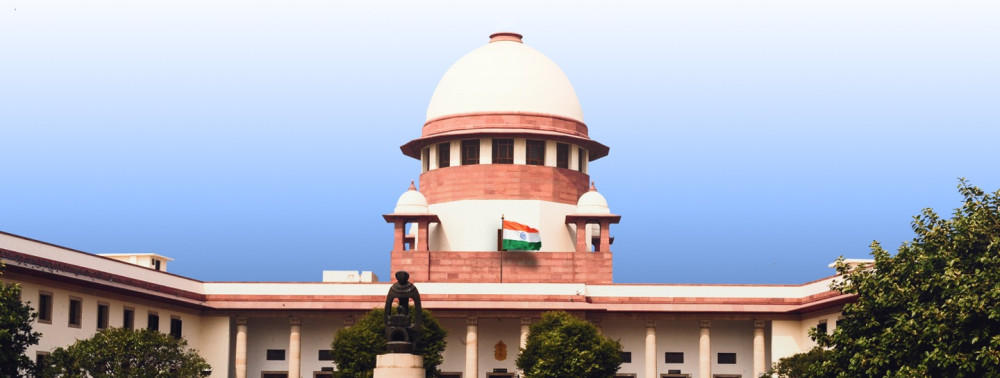
「 ✦ Content ✦ 」
INTRODUCTION
The Supreme Court of India summoned the Delhi Chief Secretary with respect to the non-compliance of solid waste management rules. A visit to the apex court setting highlights how most imperative it is for stricter implementation of environmental regulations at a time when the capital is facing mounting waste management challenges. It underlines thereby the growing judiciary intervention into holding state authorities responsible for defaults that would otherwise affect public health and urban infrastructure.
BACKGROUND
Solid waste management as a problem in India's cities-the densely populated near-the-straddle even like Delhi-never ceases to be. Although framed under the Environment Protection Act (EPA), the Solid Waste Management Rules of 2016 mandate scientific and systematic operations in terms of collection, segregation, and disposal, making them somewhat unique. These rules talk about decentralized and process waste recycling and diversion from the landfills while creating mechanisms for local bodies to be proactive.
As one of the most polluted and urbanized cities, Delhi still faces the waste disposal problem. Approximately 11,000 metric tonnes of waste is generated in a day from the state. Most of it is sent to the overburdened landfill sites, such as Ghazipur, Okhla, and Bhalswa. Implementation of the Solid Waste Management Rules has been dismally slow, with various reports quoting the municipalities to be ineffective and less than efficient in managing their waste. This has resulted in hazardous living conditions, environmental degradation, and public health risks.
KEY POINTS
Poor Waste Segregation and Disposal: Rules for waste segregation are very clear but remain poorly enforced at the source. As a result, mixed waste goes to the landfill, causing increased environmental harms.
Overloaded Landfills: Landfills in Delhi are overflowing, producing poisonous gases and polluting groundwater. This creates tremendous health hazards for people nearby.
Local Governance: The local municipalities have succumbed to not enforcing Solid Waste Management Rules with regard to compliance.
Environmental and Health Impact: Poorly managed waste has increased pollution levels against air, soil, and water, and increased respiratory and other diseases among the population.
RECENT DEVELOPMENTS
It was expressly warned against the possibility of "harsh orders" as a consequence of non-compliance with the solid Waste management rules, which have been termed very urgent for effective implementation in Delhi by the Supreme Court. A bench of Justices Abhay S Oka and Augustine George Masih ordered the Delhi Chief Secretary to call a meeting with all such stakeholders, including the Municipal Corporation of Delhi, and formulate a time-bound plan for compliance with the rules of 2016.
A common report should be filed with December 13 deadlines. The bench expressed grave concern that the 2016 rules remain unimplemented throughout the country and also pointed at illegal storage of the garbage at fire-prone landfill sites, with simultaneous rise in the construction waste.
Moreover, the court mandated the Delhi Government to add information on the daily solid waste generation in the report and allowed an involvement of Central Government officials to the environment department as necessary. The bench emphasized that Delhi has set a very disturbing precedent for other cities across the country with its failure to comply with the rules
CONCLUSION
The notice issued by the Supreme Court to call upon the Chief Secretary of Delhi, regarding non-compliance in solid waste management, is a necessary loud statement for reforms in the systems of urban municipal solid waste management. Rapid urbanization in India demands that sustainable waste management take priority over all others for the protection of the people and the environment. There is an urgency in this active role of the judiciary in the environmental governance that should take immediate and tangible action by both policymakers and authorities. This will further open up areas for better infrastructure and enforcement, as well as a cleaner urban future.


