
JUDICIAL INTEGRITY AT STAKE: SUPREME COURT DEMANDS ROBUST SOLUTIONS FOR CAT JAMMU BENCH
Category: Civil Law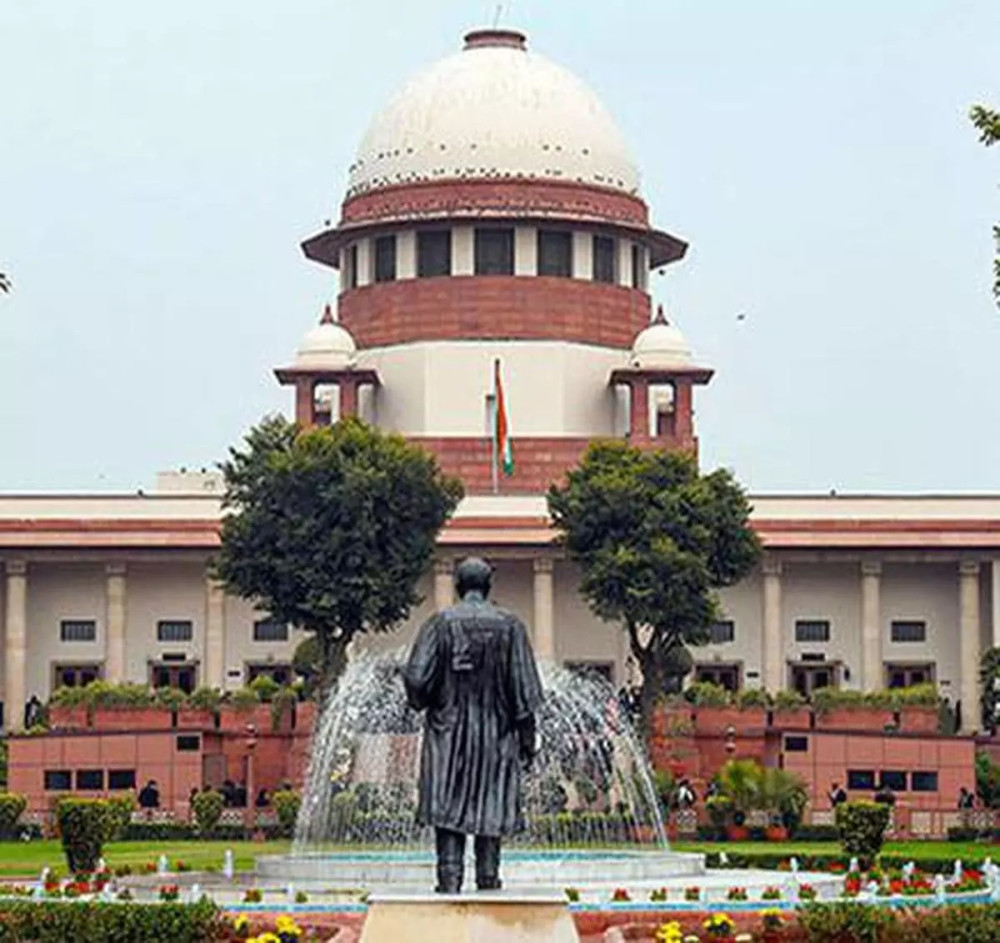
「 ✦ Content ✦ 」
INTRODUCTION
The Supreme Court of India recently expressed doubts about delegating tasks and allowing judicial facilities within privately owned buildings. The bench, led by Justices Surya Kant and Ujjal Bhuyan, stressed the requirement for dedicated infrastructure when overseeing legal matters. Confidentiality, accountability, and proper conduct of hearings necessitate long-term accommodations, they asserted. Meanwhile, the Central Administrative Tribunal in Jammu has been operating from provisional sites lacking security and insulation from external influence. If allowed to continue indefinitely, such improvised arrangements could undermine fundamental principles of justice and impartiality, the court cautioned.
BACKGROUND
The CAT Jammu Bench has been covered by operational issues for a long time. The tribunal has worked without adequate infrastructure for quite some time. Current operations are based from a private building, which is creating logistical and functional bottlenecks. In December, the Supreme Court was apprised of a proposal on relocation of the CAT bench to the old building of the Jammu & Kashmir and Ladakh High Court once the new complex is ready. Subsequently, a report submitted to the Ministry of Law and Justice stated that a private building was rented into temporary use while efforts were being taken to address these deficiencies by January 2025.
Numerous concerns were raised regarding the filling of posts. Out of 58 sanctioned posts, 26 have been filled regularly, while 10 posts are out-sourced. The remaining vacancies are in the process of being advertised for deputation. The bench took cognizance of these staffing issues and raised the warnings of such outsourcing in the judicial institutions.
KEY POINTS
Lack of Permanent Infrastructure: Justice Surya Kant lamented the lack of permanent infrastructure for the CAT Jammu Bench and said that there was an urgent need for purpose-made courtrooms, chambers for judges, and accommodation for staff, since the judicial institution ought not to be held under makeshift arrangements, no matter how comfortable, like private properties.
Perils of Outsourcing Personnel: The bench highlighted the danger of outsourcing personnel in judicial institutions. It raised the questions of accountability and confidentiality- especially in cases of high stakes or very sensitive information. Justice Kant queried the wisdom behind outsourcing by questioning who would bear the brunt should some outsourced personnel mishandle or steal sensitive records
Temporary Measures: The Additional Solicitor General (ASG), Aishwarya Bhati, admitted that the current arrangements are imperfect but clarified that outsourcing and temporary buildings are temporary measures. The Supreme Court, however, urged for permanent solutions, opining that any temporary measures could affect the working of the tribunal.
Permanent Status of CAT Jammu Bench: Justice Kant noted that the Jammu Bench had been in existence for decades and, in the nature of things, would always remain operative, whether Jammu was a Union Territory or a state. He urged the authorities to a faster setting-up of permanent infrastructure for its unhindered operation.
RECENT DEVELOPMENTS
The Union Government was ordered by the Supreme Court to submit another status report on the relocation of the tribunal to a rented building within four weeks. The court also guided the government to consider a more permanent solution, suggesting that while the state government could allocate land, the Union Government could finance its construction.
This also hints at the judiciary's greater concerns of systemic problems in judicial infrastructure throughout the country. The concerns underscore the need for consistency, professionalism, and accountability in the management of tribunals and courts. Its insistence on establishing a judicial environment that has adequate infrastructure and personnel accountability is an endeavor to uphold the integrity of judicial processes.
CONCLUSION
The observations of the Supreme Court regarding the CAT Jammu Bench reiterate the importance of a solid infrastructure and staffing policy for judicial institutions. By pointing out the risks inherent in ad-hoc arrangements and outsourcing, the court has reiterated the importance of preserving the integrity and efficiency of the judicial functioning.
This case should serve as a reminder that investment in the judiciary is a priority and that courts should be functioning in surroundings congruent with their core tasks of safeguarding justice.


