
JAMMU & KASHMIR HIGH COURT QUESTIONS STATE'S FAILURE TO EVICT EX-MINISTERS/MLAS FROM OFFICIAL BUNGALOWS
Category: Constitutional Law and Real Estate Laws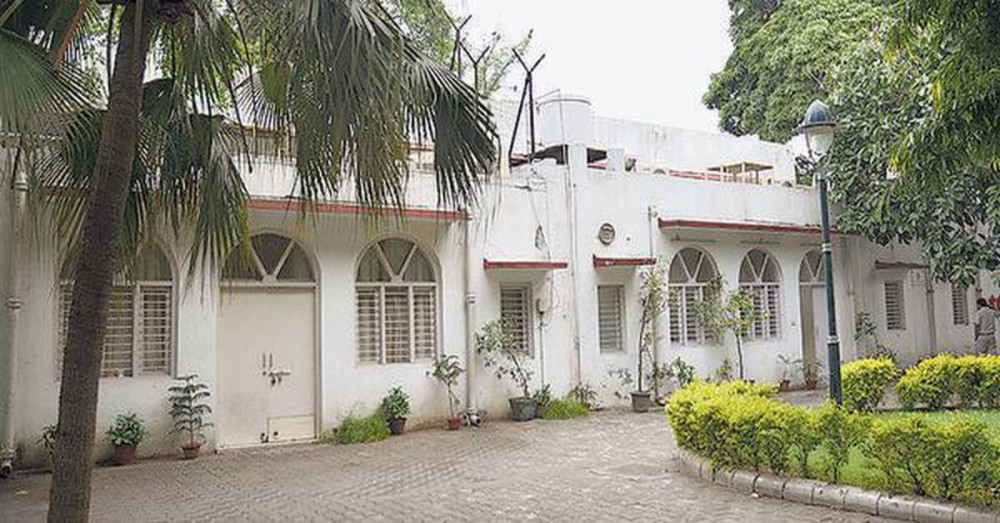
「 ✦ Content ✦ 」
INTRODUCTION
The High Court of Jammu & Kashmir recently took a strong position against the State for its inaction to remove former ministers and MLAs who are staying in government bungalows illegally. The Court highlighted the requirement of accountability in the management of public properties and ensuring that these are used for the purposes intended. The issue puts forward a larger concern regarding the misuse of public resources by influential people that defeats the ideals of equality and proper governance.
BACKGROUND
The long-standing issue relates to the occupation of official houses by former ministers and some erstwhile MLAs ever since they lost office. These bungalows-allotted in their respective tenures for discharging public work- were not vacated even after the term was over. This type of practice will be found in many parts of India, and it will be criticized as an excess of power and a substantial waste of public resources.
The issue received publicity when PIL was filed questioning the State's inefficiency in reclaiming these properties. The petition highlighted how such unlawful occupation creates an enormous financial burden on the exchequer and sets a poor precedent for governance.
KEY ASPECTS
1.Judicial Observations : The Supreme Court severely criticized the state for not taking a single step to implement the eviction orders issued against such occupants. The court highlighted that official residences are public properties for the use of sitting officers and not their personal rights.
2.State's Responsibility :The State government was questioned on not having any systematic policy or mechanism for the recovery of the properties well in time. The Court commented that the failure to act in the case of influential people speaks poorly of governance.
3.Legal Implications :Hinting at contempt of court proceedings against the officials concerned for non-enforcement of eviction orders,
misappropriation of official properties by ex-ministers could lead to stricter controls and reassessment of allotment policies.
4.Wider Impact :The case throws up concerns over the misuse of government resources all across. The High Court's stance may encourage others, too. Then each state will dutifully present a bill for accountability with consequent proper utilization of public assets.
CONCLUSION
The intervention of the Jammu & Kashmir High Court is seen here at a turning point addressing the misuse of resources of the government. It is through this action that the judiciary reminds the State of its principles of transparency, equality, and fairness in terms of governance. Being one such case, apart from highlighting inefficiencies in the system, it also forms a precedent for future actions against undue privilege by public officers. Moving forward, mechanisms and policy frameworks with a rigidity that can prevent such instances will be necessary to protect public interest.
WRITTEN BY : ADV ANIK


