
DELHI’S AIR POLLUTION CRISIS: LEGAL CHALLENGES AND POLICY FAILURES
Category: Environmental Law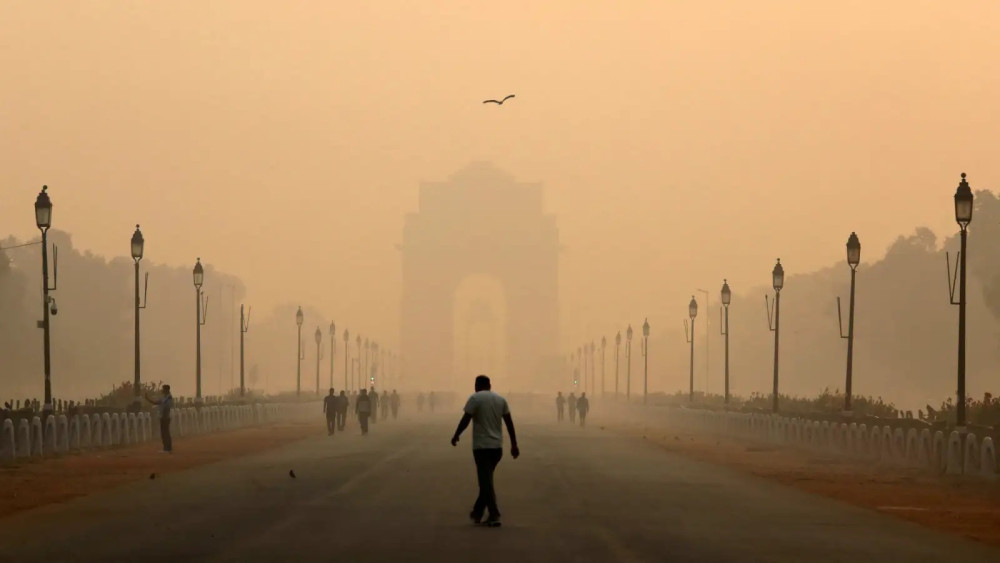
「 ✦ Content ✦ 」
Every year, our Delhi, the capital of India, gets ranked as the most populated cities on a global level as the quality of air is reaching hazardous levels. Over the time, various policies came and several initiatives along with legal actions were taken to tackle the issue but the city continues to face the severe pollution.
This escalating air pollution challenges are caused by various factors such as emissions from vehicles, industrial pollution, burning of crops in adjacent states and many more. As the pollution level in the city is surpassing the allowable threshold which is established by the national and international health organization, it is resulting in the increasing of serious health issues such as respiratory ailments, heart disease, and premature morality. During the winters, the situation gets worse significantly with change in climatic condition and intensifies crop burning in the neighboring state.
LEGAL FRAMEWORK AND CHALLENGES
The Constitution of India: Right to Life
Article 21 of the Indian Constitution assures the ‘right to life’, which was interpreted by the judiciary to encompass as the right to a healthy environment. It guarantees the legal foundation for individuals to contest pollution and demand for improved air quality.
The National Green Tribunal
It was established in 2010 and is itself a vital platform for addressing concerns regarding the environment in India it has several directors which has aim to indicate Delhi's air pollution and instructing the government to enforce and other straight measures. However these directives have also face repeated challenges from where are parties as it raises question about its ability to enforce the compliance.
The Environmental Protection Act 1986
As the name suggest act Lays out the Framework for controlling pollution levels which include regulations on air quality standards. Although, all enforcement of its regulations has been erratic, as Industries that pollute construction practices and emissions from vehicles continue to surface per principal limit despite of several legal provision
The air (prevention and control of pollution) act 1981
It is another essential legal profession for managing air pollution in India under this provision the Centre pollution control board (CPCB) and the state pollution control board (SPCB) as the responsible authorities or monitoring quality and implementing necessary collective actions however the practical implication of this act in Delhi has also encounter several challenges which included inadequate infrastructure, poor coordination and insufficient political will.
GAPS IN POLICIES MADE BY THE GOVERNMENT
Long-Term Solutions Not Available- Delhi has not yet adopted a comprehensive, long-term strategy to address the root causes of air pollution, despite the implementation of short-term interventions like odd-even vehicle programs, temporary construction bans in the winter, and temporary industrial limitations. Instead of addressing persistent systemic problems like vehicle emissions and industrial pollutants year-round, the majority of solutions are reactive, implemented only during times of severe air quality.
The central government and the states do not coordinate well- Nearby states, especially Punjab and Haryana, where yearly crop burning occurs, are the primary source of Delhi's air pollution. However, as the state governments and the federal government have not coordinated well together, all the attempts to curb this practice have mostly failed. And since local farmers are struggling financially and they have few other options, legal measures like prohibiting stubble burning and it is difficult to impose fine on them.
Inadequate enforcement mechanisms- Although there are several laws that exist to control pollution, but the enforcement remains a major weakness. Authorities who are responsible for monitoring air quality and punishing violators, they often lack the resources and political support which is needed to effectively implement these regulations. For example, there are many industries which operate without adequate pollution control measures, and enforcement of traffic laws to reduce vehicle emissions is woefully ineffective.
Public awareness and engagement- Public understanding and commitment to addressing the problem even after the crisis has received significant media attention and coverage from policymakers, are inadequate. Public participation is essential as it ensures that policies are not only implemented but are also adopted by the community.
RECENT LEGAL DEVELOPMENTS
Supreme Court intervention: The Supreme Court of India has been actively monitoring Delhi’s hazardous air quality and has issued a number of decisions, including more strict pollution standards, ban on firecrackers during festivals, and sanctioning the government for its inaction. However, the Court expressed dissatisfaction with the slow progress and poor implementation by government agencies.
Right to Clean Air: It became a Public Interest issue. Over the years, a number of public interest litigations have been filed in the Supreme Court and NGT, which duly urges the government to take decisive action against air pollution. These cases have led to major landmark judgements and historic decisions, including the recognition of clean air as a fundamental right. However, it was seen that the lack of effective monitoring has made many of these decisions largely symbolic.
CONCLUSION
The air pollution crisis in Delhi raises significant challenges for both; the legal framework and the policy approach. The legal instruments, including the Constitution, NGT and various environmental regulations, provides a framework which addresses the problem, but their implementation is often weak and policy responses tend to be fragmented rather than comprehensive. To effectively address this crisis, a coordinated long-term policy measures, strict enforcement of existing regulations and increased public participation in air quality improvement initiatives is needed. The legal system must persistently work to hold the government and private sector accountable, ensuring that the right to a healthy environment becomes a tangible reality for all Delhiites.
OLQ is a Pan-India basis law firm connecting legal expertise nationwide.


