
DEFAMATION AND SOCIAL MEDIA
Category: Cyber Crime Law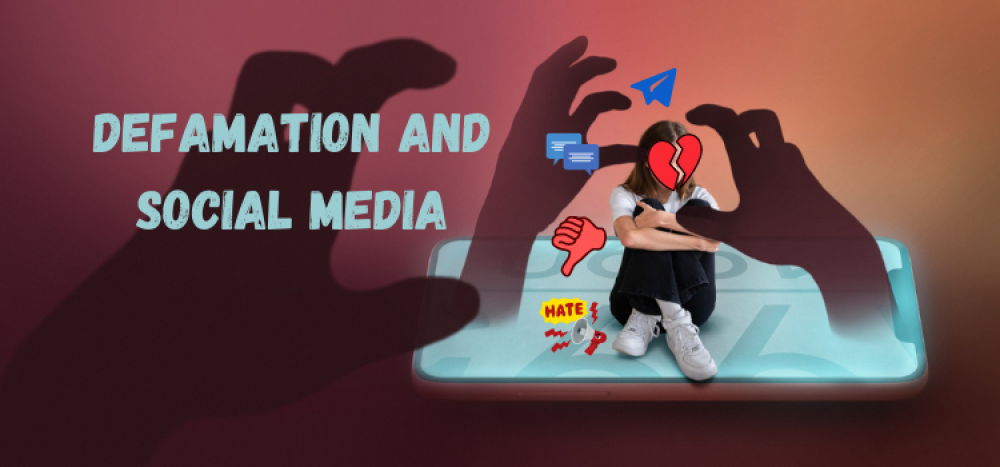
「 ✦ Content ✦ 」
Defamation involves making false statements that harm someone's reputation, whether through written (libel) or spoken (slander) forms. The evolution of defamation laws from ancient Rome to modern legal systems reflects the importance of protecting reputations. In India, defamation is addressed through criminal and civil laws, with the Indian Penal Code (IPC) and the Code of Civil Procedure (CPC) outlining the legal frameworks. The Information Technology Act (ITA) also extends these protections to online content. Given the rapid spread of information online, safeguarding one's reputation has become crucial. Effective strategies include adjusting privacy settings, verifying information, educating oneself, reporting abuse, and consulting legal experts. Landmark cases such as Subramanian Swamy v. Union of India and Chaman Lal v. The State of Punjab have shaped the interpretation of defamation laws, balancing freedom of speech with the protection of reputation. Understanding and managing online presence is vital in the contemporary digital landscape to mitigate the risks of defamation.
INTRODUCTION
In today's interconnected world, social media has revolutionized the way we communicate, share information, and build our personal and professional networks. However, this rapid exchange of information also comes with risks, particularly concerning defamation. Defamation on social media can have far-reaching consequences, affecting not only personal reputations but also professional opportunities and mental well-being. False statements, malicious rumors, and defamatory posts can spread quickly, leaving individuals vulnerable to lasting damage. This article delves into the concept of defamation in the context of social media, examining how it differs from traditional forms of defamation and what makes it particularly challenging to address in the digital age. We will explore legal definitions, the impact of defamation on individuals and businesses, and the steps you can take to protect yourself. Additionally, we will offer insights into how to respond effectively if you become a target of defamation, and strategies to proactively manage your online reputation to minimize risks. By understanding these aspects, you can better navigate the complexities of social media and safeguard your digital identity.
DEFAMATION
Defamation involves making false statements about a person that damage their reputation, assessed from the perspective of a reasonable person. These statements, whether written or spoken, must be deliberate, intentional, and designed to harm someone's reputation. Legally, defamation is seen as a violation of a person’s right to a good name, and it can result in legal consequences. Written defamation, including printed or typed content and images, is termed "libel," while spoken defamation is known as "slander."
The origins of defamation laws can be traced back to ancient Rome and early Germanic traditions. In Roman law, severe penalties were imposed for abusive chants, including capital punishment. Similarly, early English and German laws imposed harsh punishments, such as the removal of the tongue, for insults. By the late 18th century, English defamation laws had evolved to focus on imputations of crime or moral failings and professional incompetence. The Slander of Women Act further criminalized accusations of unchastity. French defamation laws were notably strict, with severe penalties for libelous publications and a strong emphasis on truth as the only acceptable defense for public figures. In Italy, defamation remains a criminal offense, with truth offering limited protection.
DEFAMATION LAWS
In India, defamation is classified into criminal and civil categories, with each type addressed by different legal frameworks: the Indian Penal Code (IPC) and the Code of Civil Procedure (CPC).Criminal defamation involves charges that can lead to imprisonment or fines. According to the IPC, defamation includes any statement or representation that damages a person’s reputation by diminishing their standing in the eyes of the public or inciting ridicule, hatred, or contempt. Individuals can file a complaint with the police, and if proven true, the accused may face imprisonment for up to two years or a fine.Civil defamation, on the other hand, pertains to lawsuits seeking monetary compensation for damages caused by defamatory statements. The CPC defines defamation as statements that harm a person's reputation or lower their status. In civil cases, the plaintiff must demonstrate that the statements were made with malice and caused actual harm to their reputation or livelihood. While Article 19 of the Indian Constitution guarantees the right to freedom of speech and expression, this right is not absolute. It can be restricted in the interests of public order, morality, and individual reputations.
DEFAMATION IN THE DIGITAL AGE
In the digital age, defamation encompasses false statements made online that harm a person’s reputation. In India, two primary legal frameworks address this issue: the Indian Penal Code (IPC) and the Information Technology Act (ITA) of 2000. The IPC outlines defamation in traditional media, while the ITA extends these principles to the digital realm.
Under these laws, defamatory content on social networking sites, blogs, websites, and other online platforms is subject to legal scrutiny. If it is proven that such statements damage an individual’s reputation, the person responsible may face legal consequences, including criminal charges and civil liabilities. The integration of defamation laws into the digital context underscores the importance of safeguarding reputations in an increasingly online world.
WHY IS SAFEGUARDING YOUR ONLINE REPUTATION ESSENTIAL?
In the 21st century, communication has evolved dramatically, enabling content to be shared rapidly and extensively across digital platforms. This advancement has brought significant benefits, such as expanded access to information and improved connectivity. However, it has also introduced challenges, particularly in the realm of misinformation and defamation. False or damaging information can swiftly reach a large audience, posing a serious risk to an individual's reputation.
The rapid dissemination of misinformation online means that defamatory content can spread quickly, often driven by users who share or re-share without verifying accuracy. This can lead to severe and enduring harm, whether the defamation is deliberate or arises from careless online activity.
In this environment, protecting your online reputation is crucial. Although India’s legal system offers remedies for defamation, the speed and scale of digital communication make enforcing these laws challenging. Understanding defamation laws and actively managing your online presence are vital strategies for reducing the risk of online defamation. Being informed and proactive helps individuals better safeguard their reputations in today’s digital landscape.
PRECAUTIONS TO PREVENT DEFAMATION ON SOCIAL MEDIA
1. Adjust Privacy Settings: Set your privacy controls to manage who can view and interact with your profile. Use features that restrict access to comments with offensive language to safeguard yourself.
2. Verify Information: Before sharing any content, confirm its accuracy. Fact-checking helps stop the spread of misinformation and minimizes the risk of accidental defamation.
3. Educate Yourself and Others: Learn about defamation laws and inform others about their importance. Understanding these laws aids in preventing and addressing defamation effectively.
4. Report Abusive Posts: Utilize the reporting tools available on social media platforms to flag any abusive or offensive content. Reporting helps create a safer online space.
5. Consult Legal Experts: If you come across defamatory or derogatory material about yourself, seek legal counsel. Professional advice can help you address the issue and pursue appropriate action.
6. Be Thoughtful Before Posting: Consider the potential impact of your posts before sharing them. Being mindful helps avoid accidental defamation and promotes respectful interaction.
7. Regularly Monitor Your Presence: Periodically check your social media accounts for any suspicious activity. Address any issues quickly and use available security features to protect your online reputation.
LANDMARK CASES IN DEFAMATION LAW
In the 2016 case of Subramanian Swamy v. Union of India,the Supreme Court of India addressed the balance between freedom of speech and protection of reputation. The court upheld the constitutionality of criminal defamation laws, affirming that while freedom of speech is a fundamental right, it is subject to reasonable restrictions. The court emphasized that reputation, protected under Article 21 of the Indian Constitution, is not at odds with freedom of speech and expression, reinforcing that defamation laws are necessary to uphold individual dignity.
In the 1970 case of Chaman Lal v. The State of Punjab, the Supreme Court clarified the application of the "good faith" exception under Section 499 of the IPC. The court stated that for a statement to be considered made in good faith, the interest protected must be real and legitimate. It noted that good faith does not require absolute accuracy or logical infallibility, implying that the intent behind the statement and the context in which it was made are crucial factors.
CONCLUSION
Reputation is a crucial asset for everyone, and legal measures are available to address any damage to it. Defamation laws aim to prevent the misuse of the right to freedom of speech and expression to maliciously harm others. In India, there is no differentiation between libel (written defamation) and slander (spoken defamation), ensuring that individuals cannot avoid legal consequences simply because the defamatory statements were not in written form.
Deliberate defamation, when done with malicious intent, is punishable by imprisonment, serving as a deterrent against intentional reputational harm. These laws are constitutionally valid and provide a reasonable limit on the freedom of speech. However, defamation claims may not apply if the statements fall within certain legal exceptions. Over time, numerous defamation cases have been reviewed, with courts meticulously interpreting each case to establish legal precedents and inform future rulings.
OLQ is a Pan-India basis law firm connecting legal expertise nationwide.
WRITTEN BY: PRATIKSHA SWAIN
GUIDED BY: ADVOCATE ANIK


